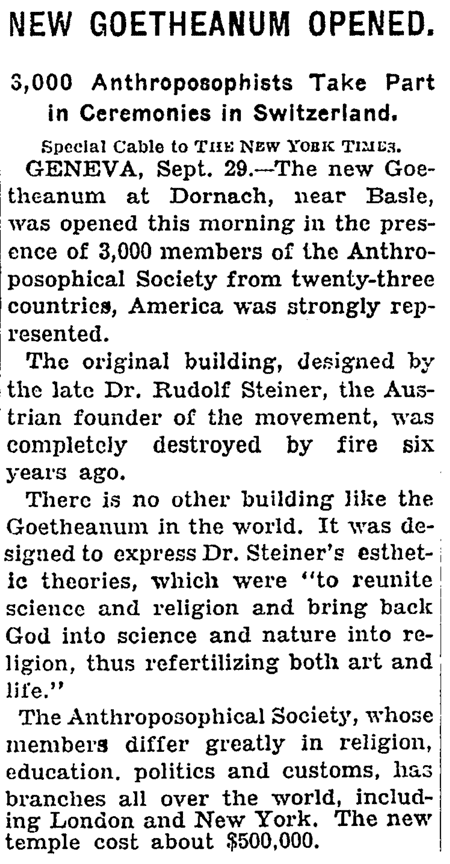
The Goetheanum
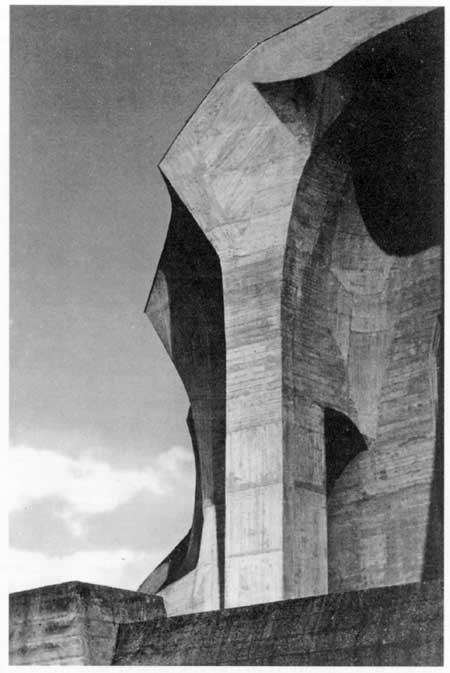
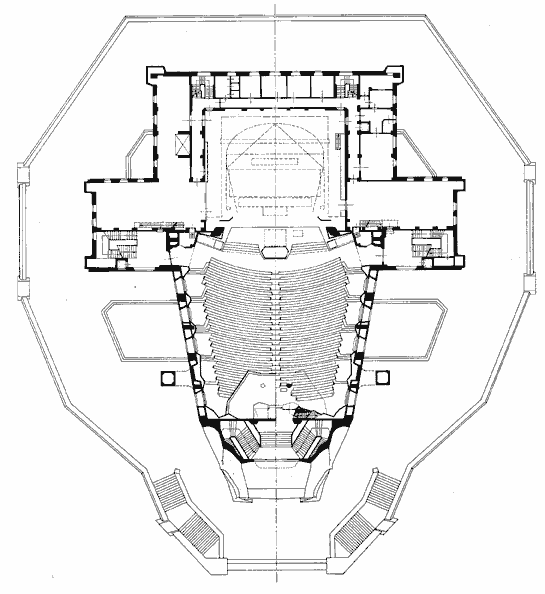
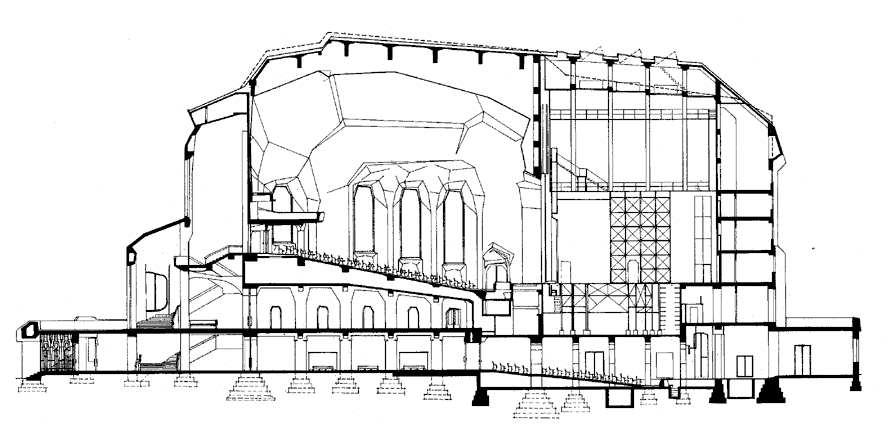
The Goetheanum is the name given to Steiner's first major architectural project. The building was to be a cultural center, including several lecture halls and a theatre. The first Goetheanum was started in 1913, and was nearing completion in 1923 when it was destroyed by arson. It burned readily, being constructed mostly of wood. It was rebuilt with insurance money. Steiner created a new design for the second Goetheanum, and used reinforced concrete. The second Goetheanum was opened in 1928, three years after Steiner's death. Steiner did not live to finish planning the interior, so the building remains somewhat incomplete.
Images - 1st Goetheanum

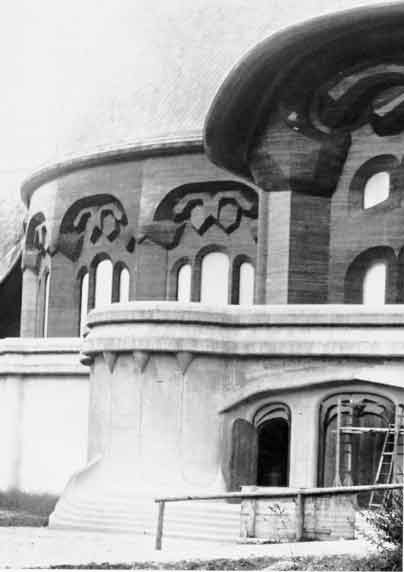
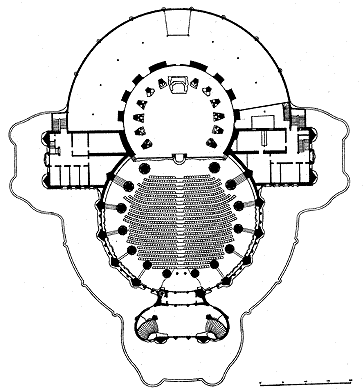
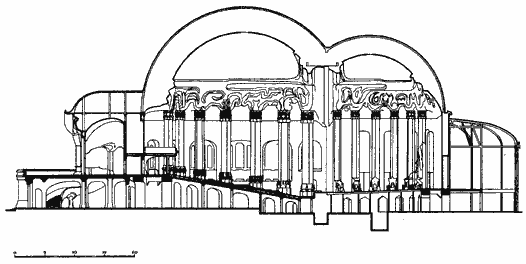
The Second Goetheanum

How the Goetheanum got its Name
Emil Molt:
Once, following a discussion with Rudolf Steiner, I decided to help with the finances of the Johannes-Bau-Verein (Johannes Building Association). This was the financial carrier of the building in Dornach, deriving from our unsuccessful attempts to build in Munich. Besides gifts, it had received loans from members.
There was really no one on its Board with business experience - all were untrained people having to administer millions. The stability of the venture concerned me; I thought a trust association with its own capital would provide a more solid basis. To find new funds would be the task of such a trust.
I presented this idea to Dr Steiner, adding that "JohannesBau" was not an advantageous name for raising money; it sounded too mystical. I thought that "Goetheanum", a name he had used on occasion, would have a better ring to it; it would give the whole thing a certain prestige. A trust association with such a name could present itself to the world. He agreed, and gave his approval.
I promptly went to work, drafted statutes, and looked for participants among business-oriented anthroposophists. Dr Steiner helped find the right people, especially in Switzerland, and the trust did very well.
This activity gave me the opportunity to work in wonderful and valuable cooperation with Rudolf Steiner. It connected me with the Goetheanum, and with the artists and other people working there. The task of the trust came to an unfortunate end when the Goetheanum burned down on New Year's Eve, 1923.
Emil Molt and the beginnings of the Waldorf School movement: Sketches from an autobiography. Edinburgh: Floris Books, 1991.
New York Times Article announcing the opening of the Goetheanum